// case study — 2026
Fornos Moreira - APP
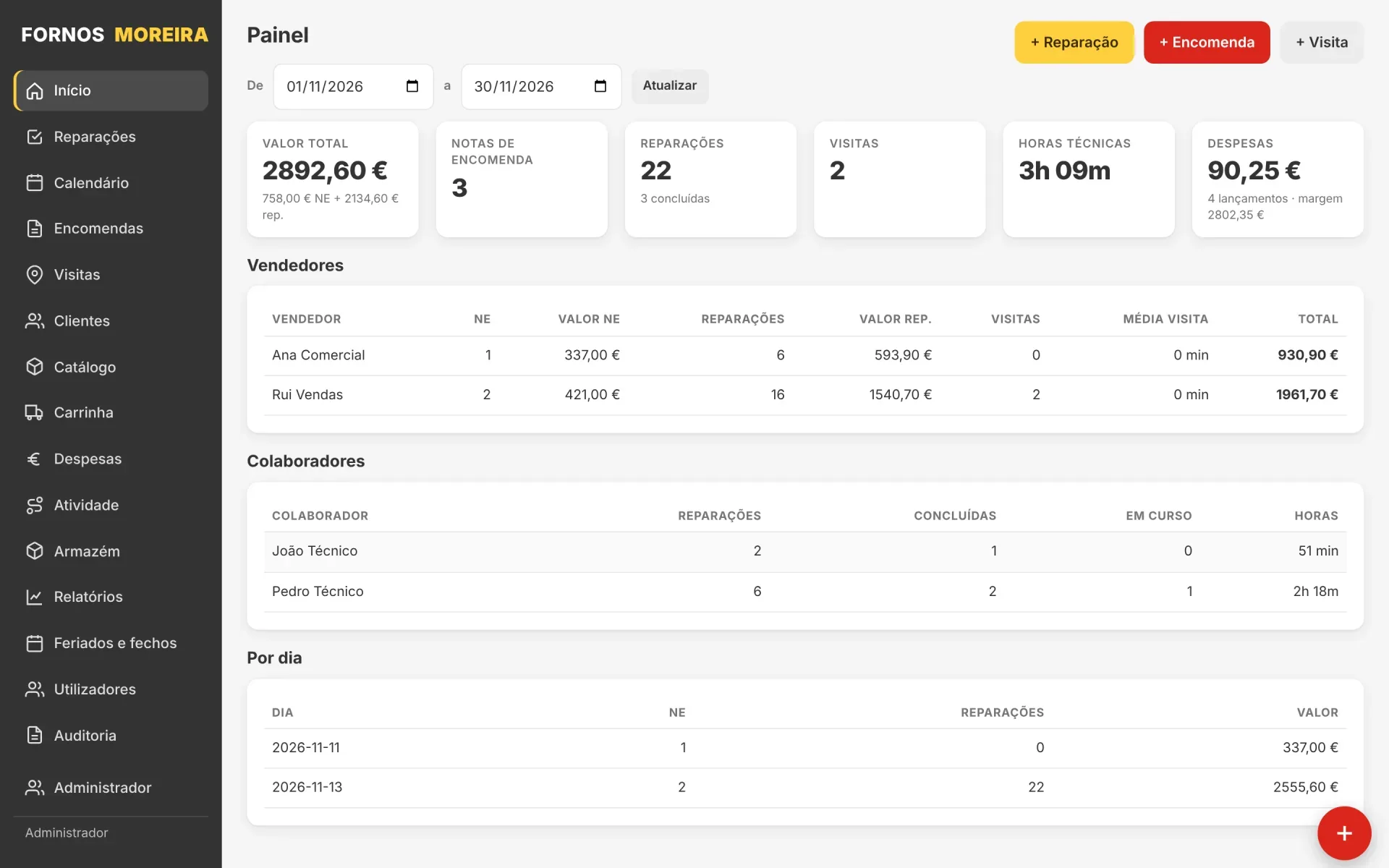
I developed a custom management platform for Fornos Moreira, bringing together repairs, customer visits, warehouse operations, working hours, expenses and reports. Accessible on mobile and desktop, it integrates existing systems and simplifies daily operations.
 // client — Moreira & Duarte →

// on this page (11)
Client: Moreira & Duarte, Lda. — Fornos Moreira
Project: Custom Business Management Platform Development
Managing a business with teams constantly working on-site can be challenging. Between repairs, customer visits, orders, equipment, working hours and administrative tasks, there is a lot of information that needs to be organised and easily accessible.
That was precisely the challenge I encountered at Fornos Moreira, a Portuguese company specialising in the sale, installation and technical maintenance of bakery and hospitality equipment.
The objective was straightforward: develop a solution that would make everyone's work easier, reduce repetitive tasks and bring the company's daily operations together in one place.
To achieve this, I designed and developed a completely custom business management platform, tailored to the way Fornos Moreira operates and accessible from both office computers and technicians' smartphones.
The Challenge: Too Much Information, Too Many Places
The daily operations of Fornos Moreira involve several teams with different responsibilities.
While technicians are visiting customers to carry out repairs, the sales team manages appointments and orders, the warehouse prepares the necessary materials, and management oversees working hours, expenses and business performance.
The problem wasn't a lack of information. It was that everything was stored in different places.
Customer details were kept in the invoicing software, working hours were recorded by the factory's time clock, materials were managed by the warehouse, and appointments often depended on phone calls and separate records.
This way of working meant constantly switching between systems and repeating tasks that could otherwise be simplified.
The solution wasn't to replace everything that already worked, but to make those systems work together.
A Platform Built Around the Business
Rather than forcing the company to adapt to the limitations of conventional management software, I developed a solution designed specifically around its existing workflows.
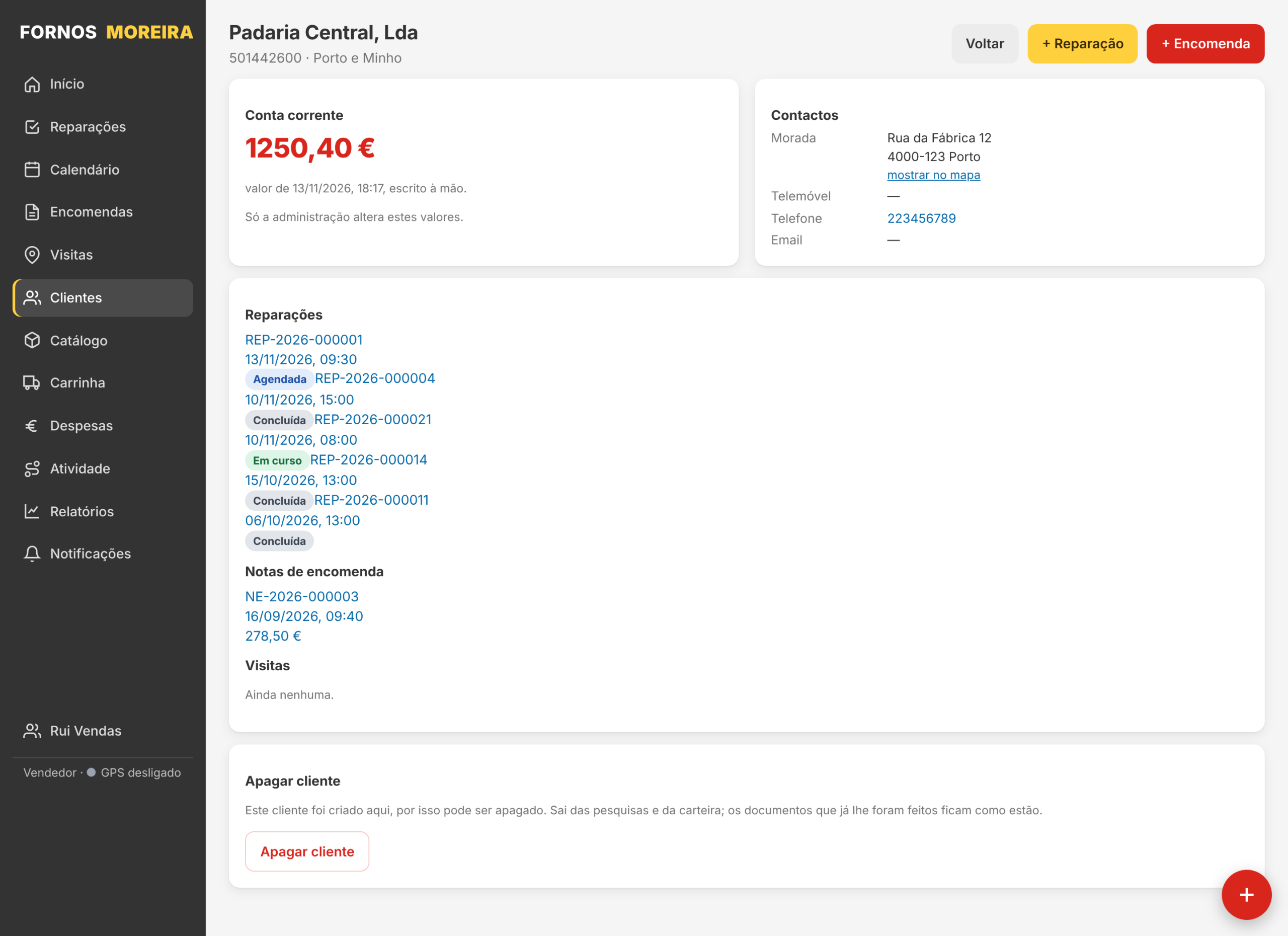
The platform brings together the company's main activities, allowing each employee to access the information they need to carry out their responsibilities.
Management can oversee business operations, sales representatives can organise customer visits and orders, technicians can access their repairs, and warehouse staff can prepare the necessary materials.
Everything is available through a clear, organised interface designed to work on both computers and mobile devices.
The result is a system that adapts to the business, rather than requiring the business to adapt to the software.
Repairs Organised from Start to Finish
One of the main priorities was improving the management of technical interventions.
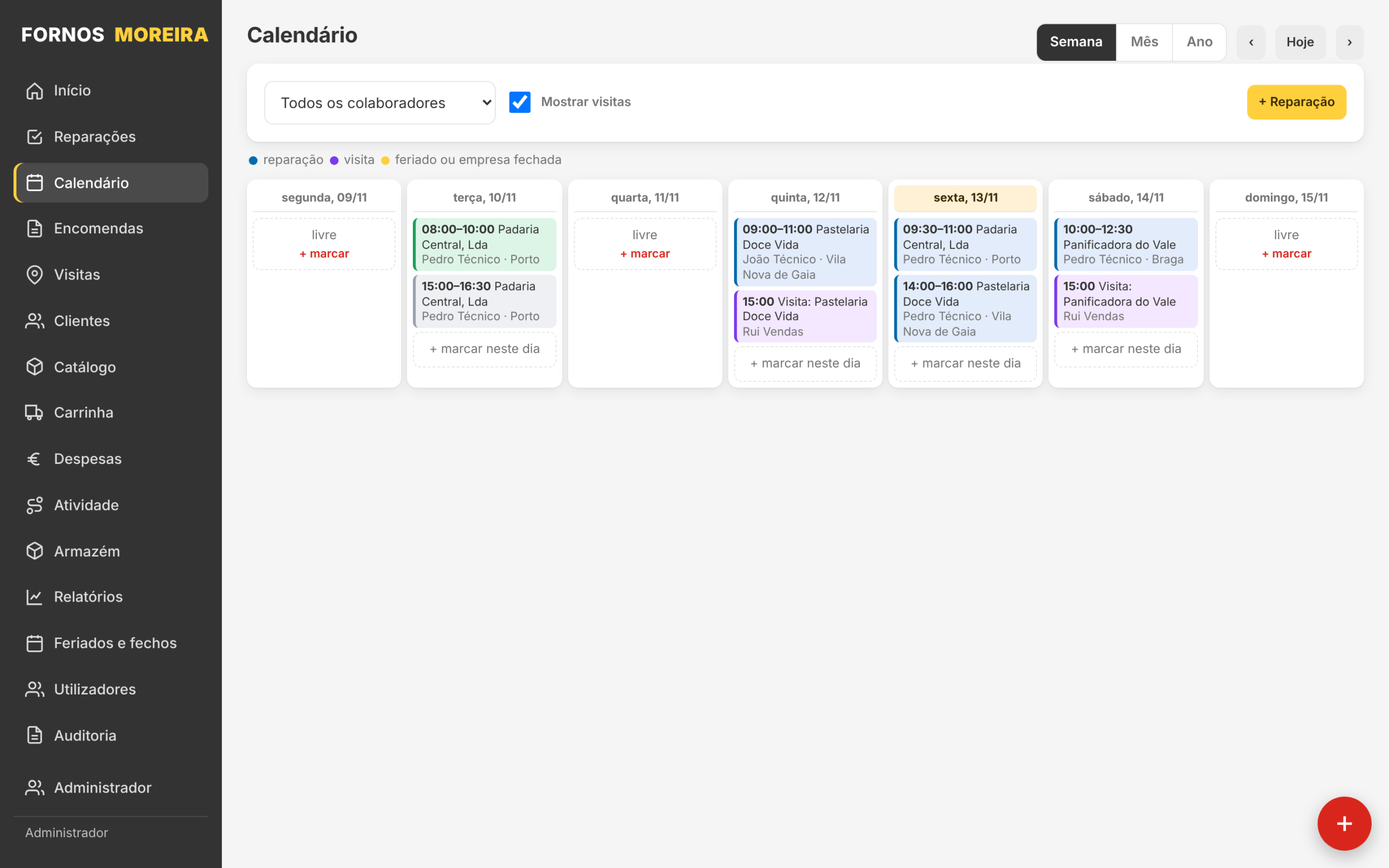
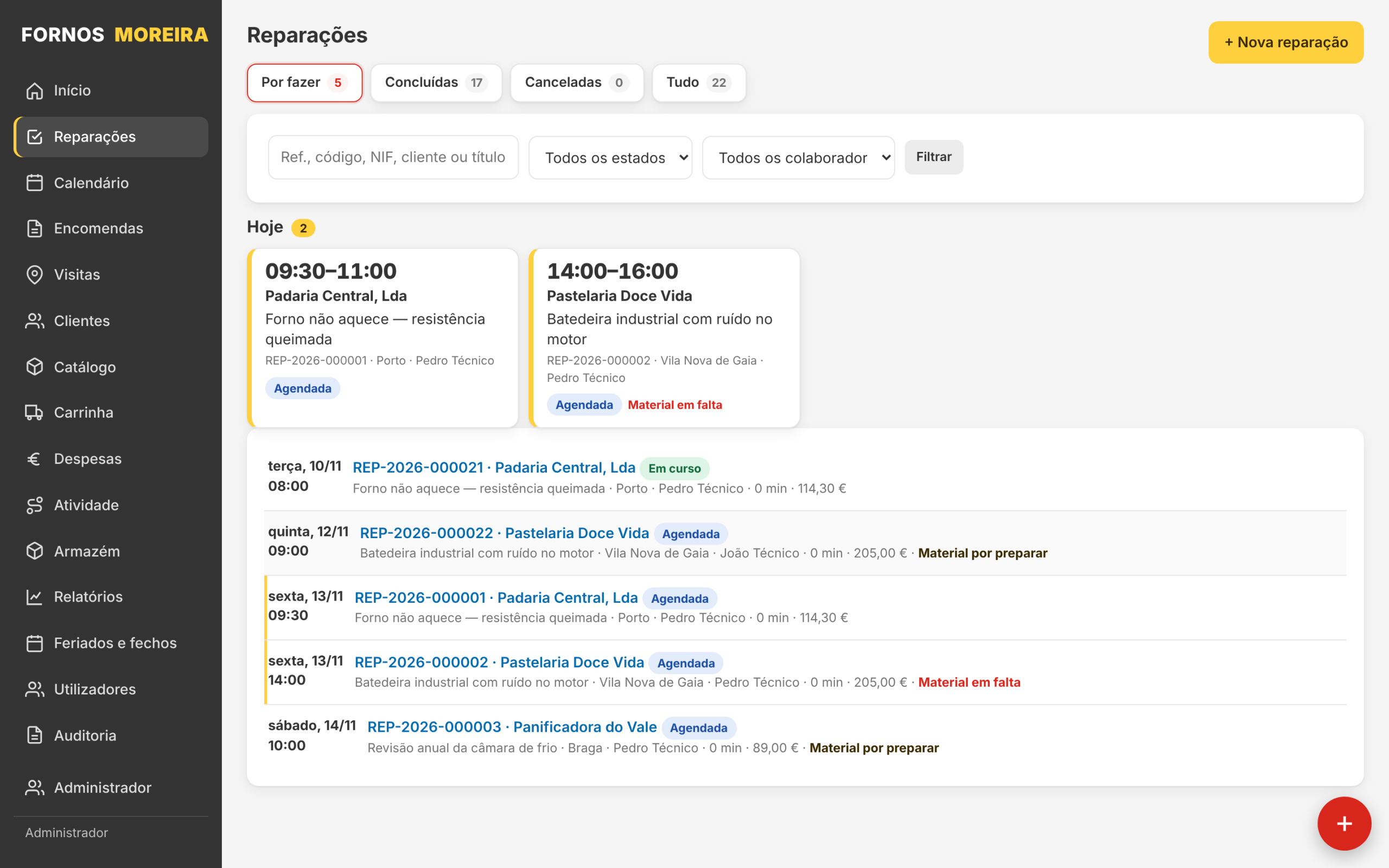
Every repair now has its own record, containing customer information, equipment details, appointments, required materials and the current status of the work.
Technicians can access their assignments directly from their smartphones, record the time spent on each job, attach photographs and update repair progress.
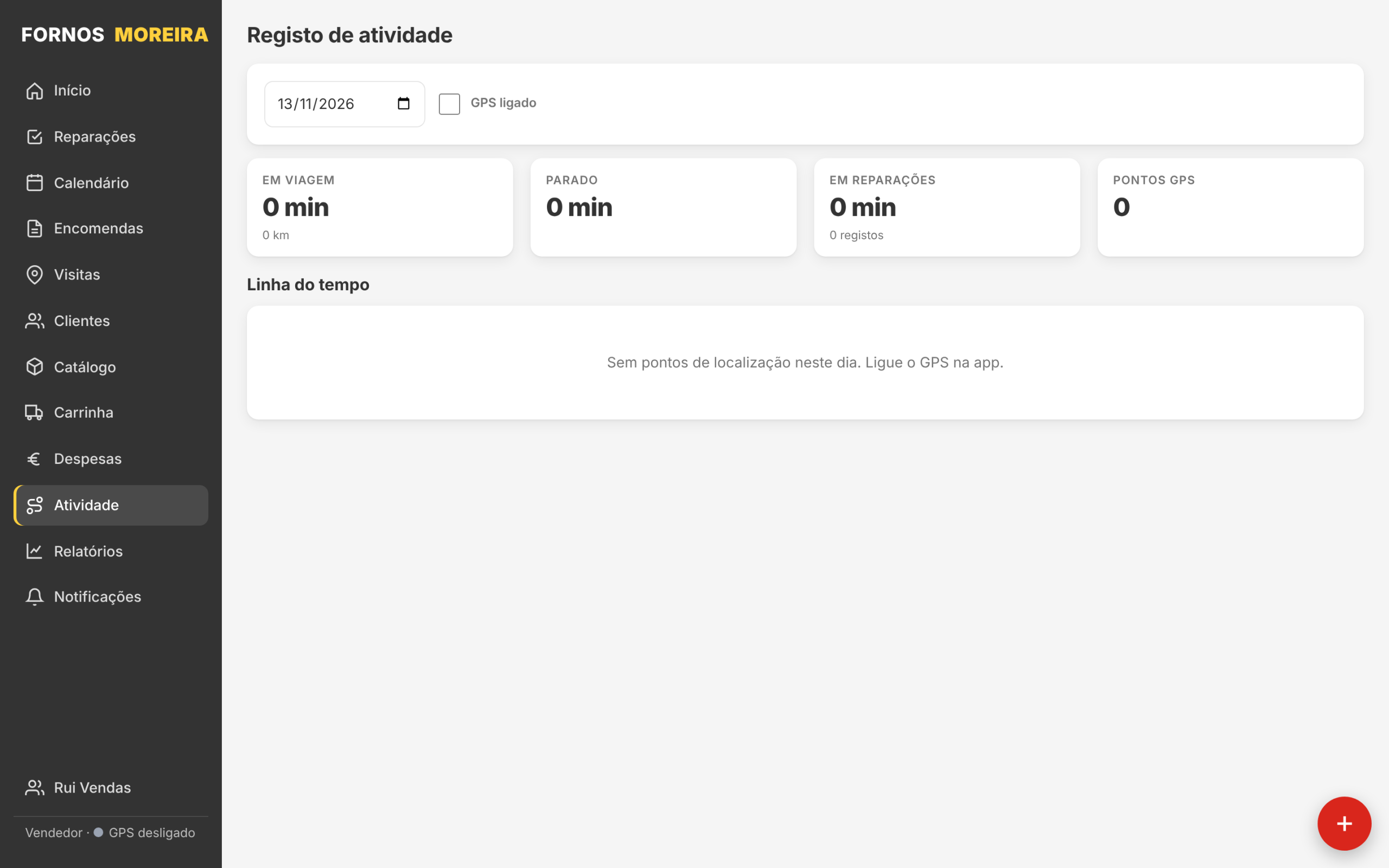
The platform can also detect when a technician arrives at a customer's premises, helping to record the start of an intervention.
This means important information no longer depends on separate notes or someone's memory.
From the initial appointment to the completed repair, everything is connected to the same service record.
A Warehouse That Knows What to Prepare
Preparing the right materials for the following day's repairs is essential to avoiding unnecessary problems.
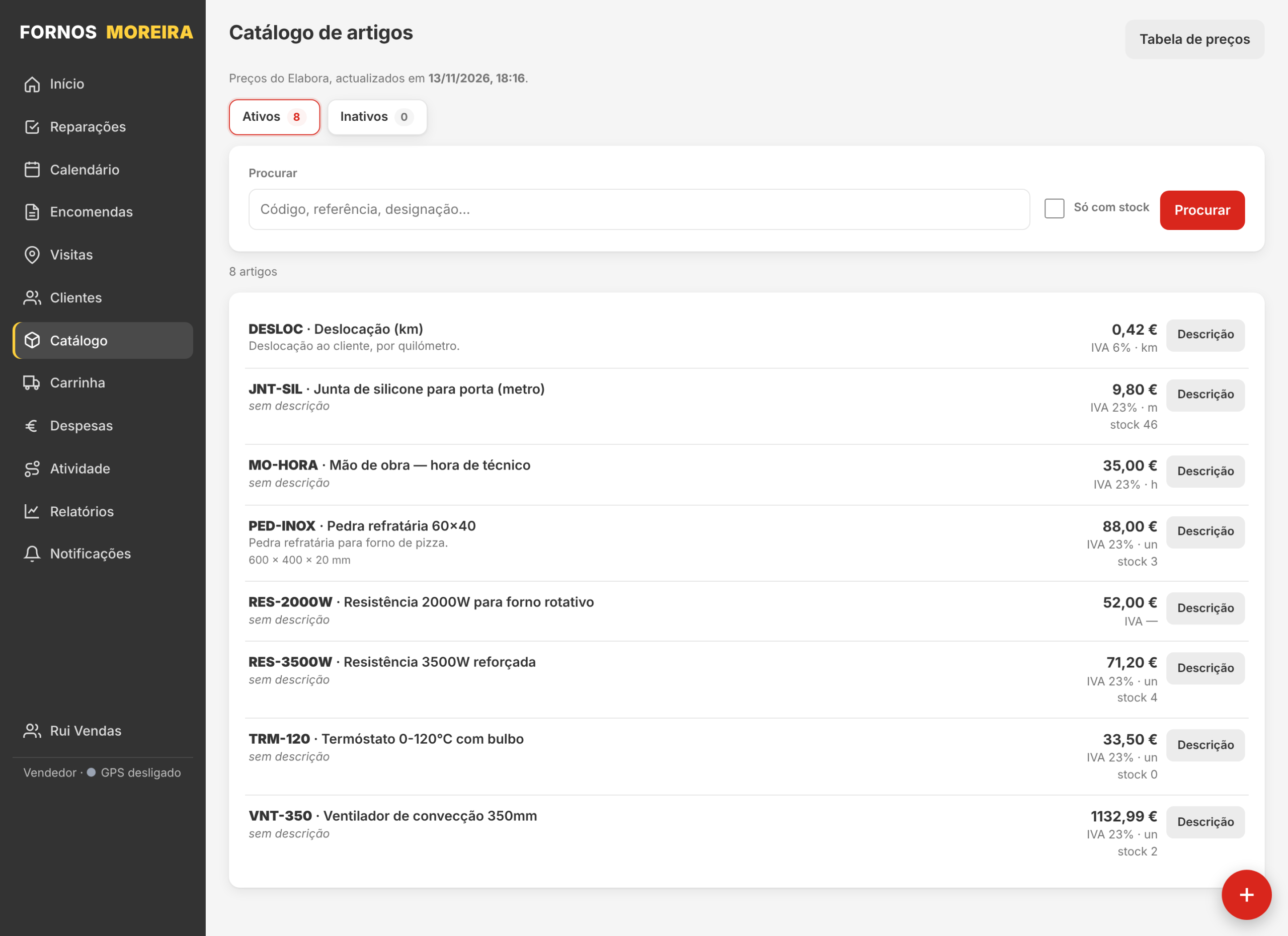
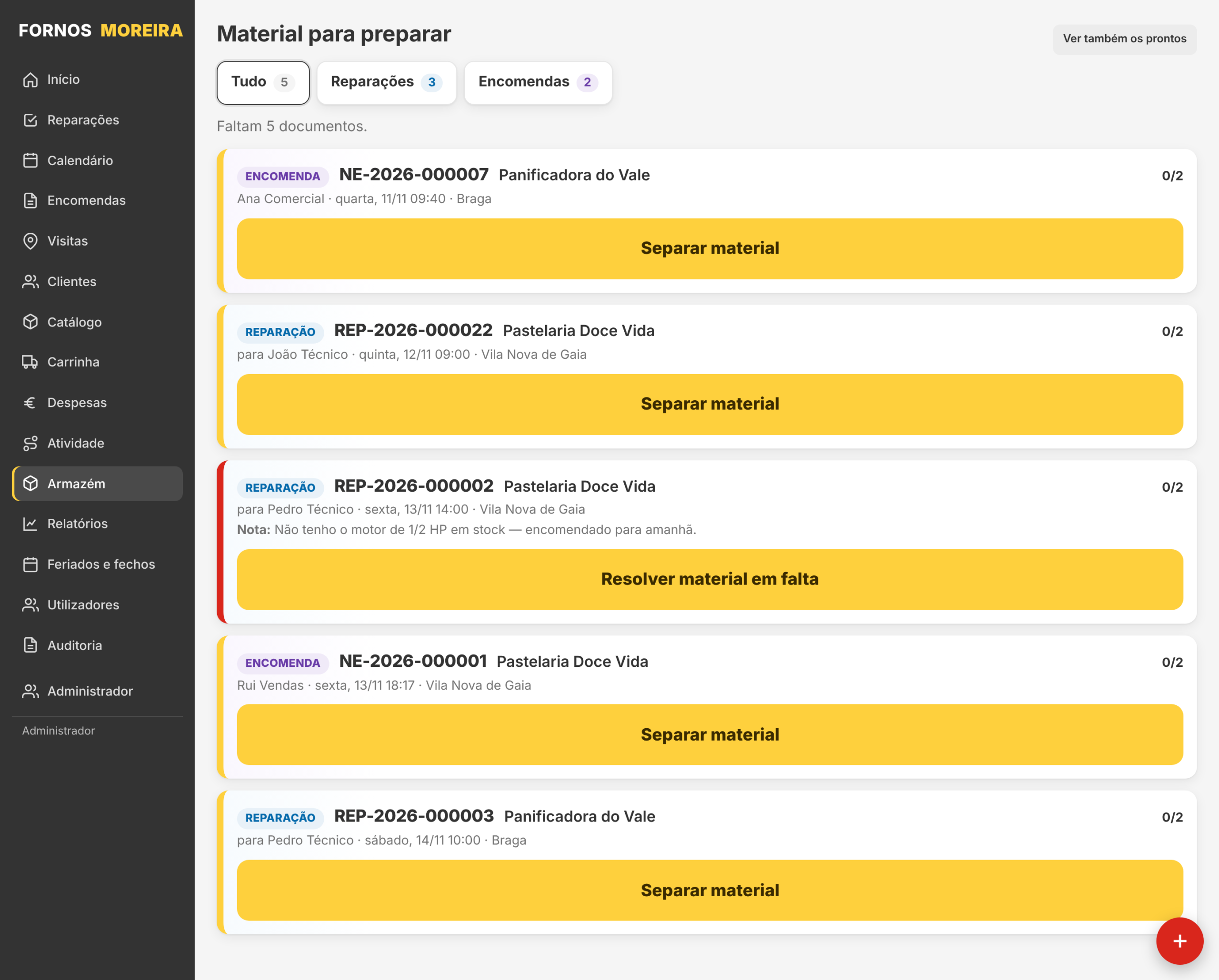
I therefore developed a dedicated warehouse management area where staff can see exactly which items are required for upcoming jobs.
The team can confirm which materials have been prepared, identify missing items and organise equipment before technicians leave.
The system also makes it possible to track materials carried in service vehicles and record which items are used during each intervention.
As a result, technicians can start their working day with a clearer understanding of their assignments and the equipment they need.
Fewer forgotten items, better preparation and smoother coordination between the warehouse and field teams.
Working Hours and Attendance Without the Complications
Working time management was another area that needed attention.
The company already used a time clock, but the information recorded by that equipment didn't cover every requirement of its administrative processes.
Holidays, absences, public holidays, overtime and working schedule adjustments still required manual intervention.
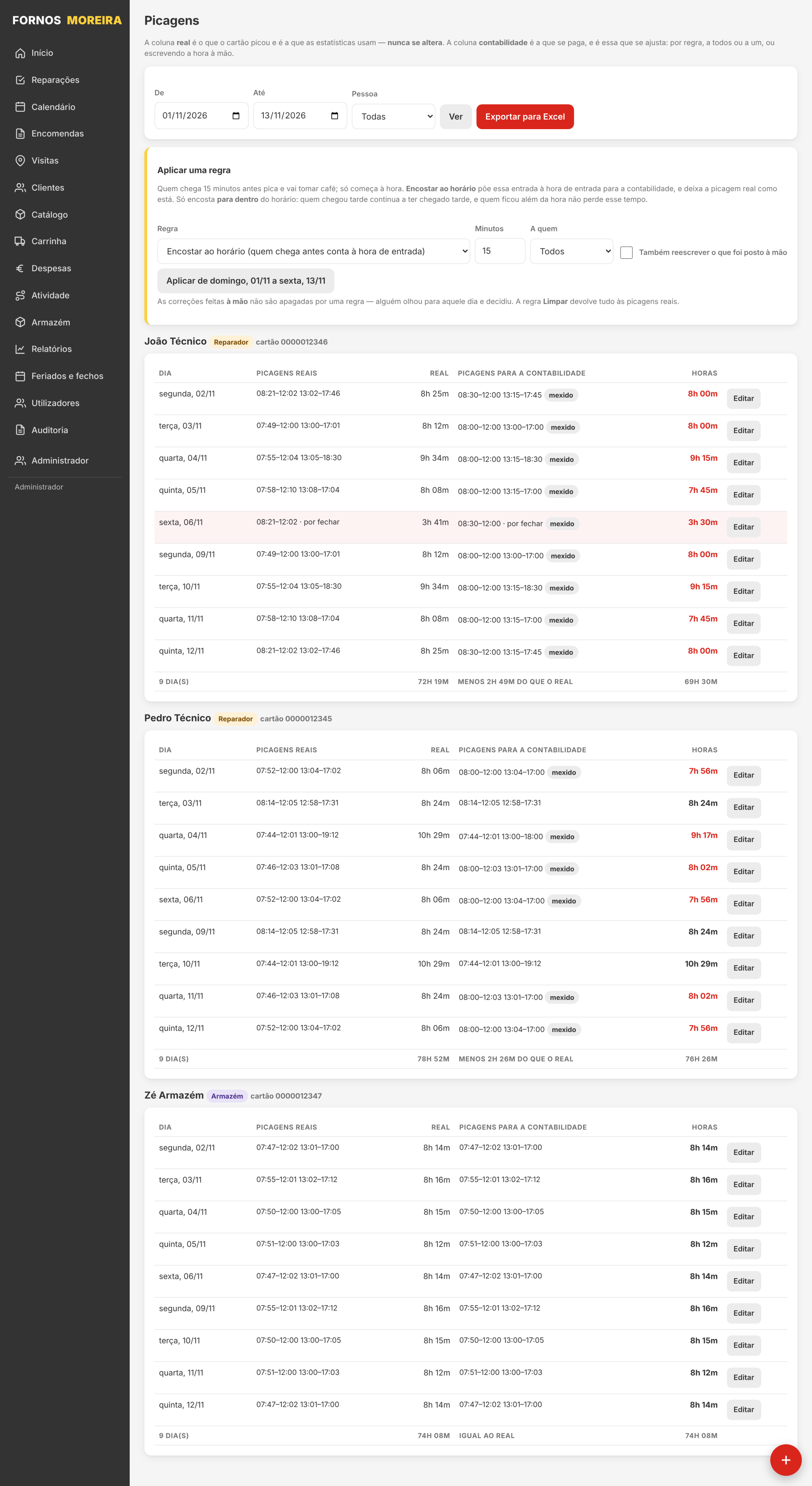
I developed a solution that uses the existing clock-in records while providing a centralised way to manage these situations.
The original attendance records are always preserved, while any adjustments required for administrative or payroll purposes are stored separately.
The platform also supports individual working schedules, working time calculations and the preparation of information for accounting.
What previously required multiple checks and manual corrections is now handled through a simpler, more transparent process.
Customers, Orders and Visits in One Place
The sales team also needed a practical way to manage customer relationships and organise their daily activities.
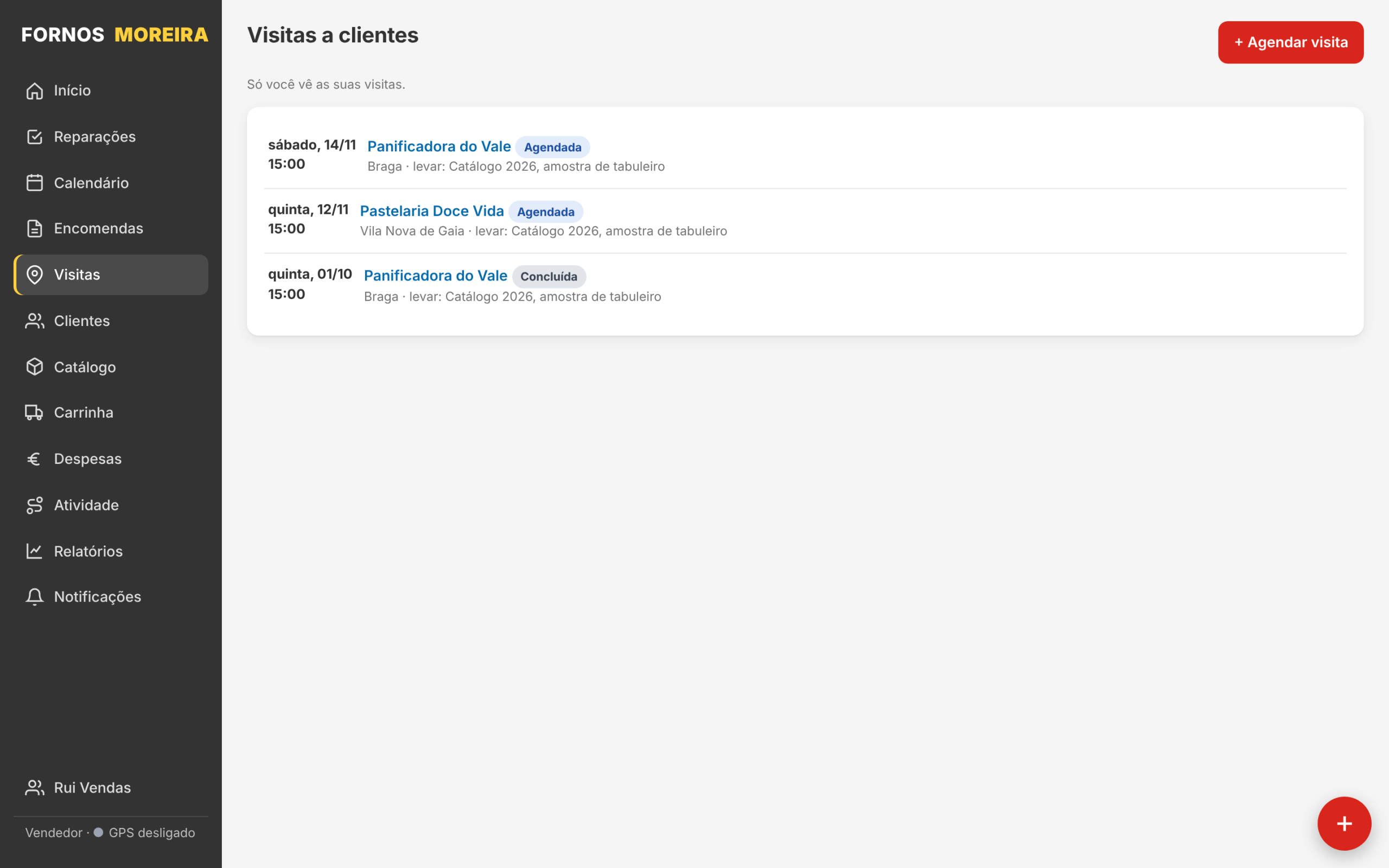
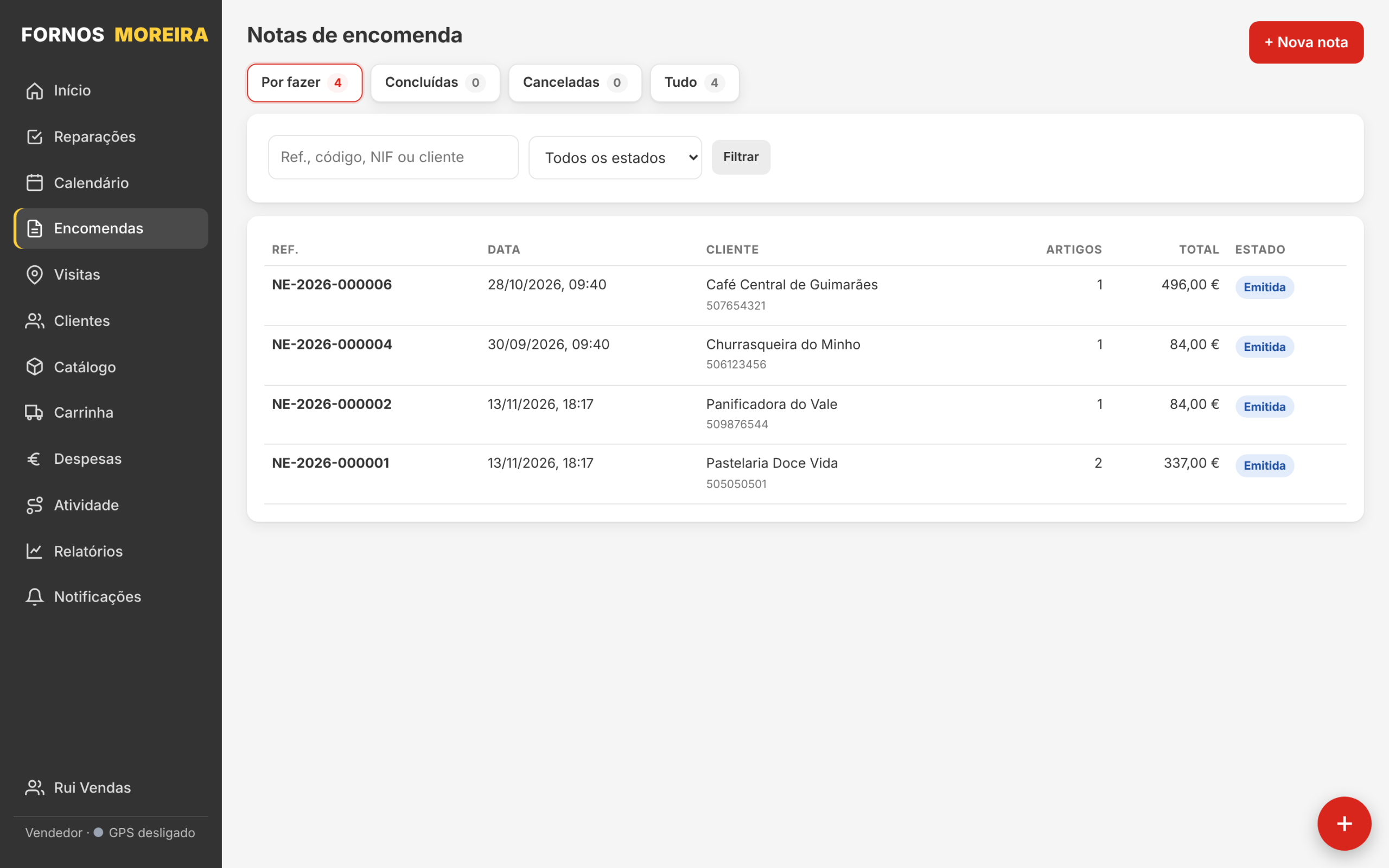
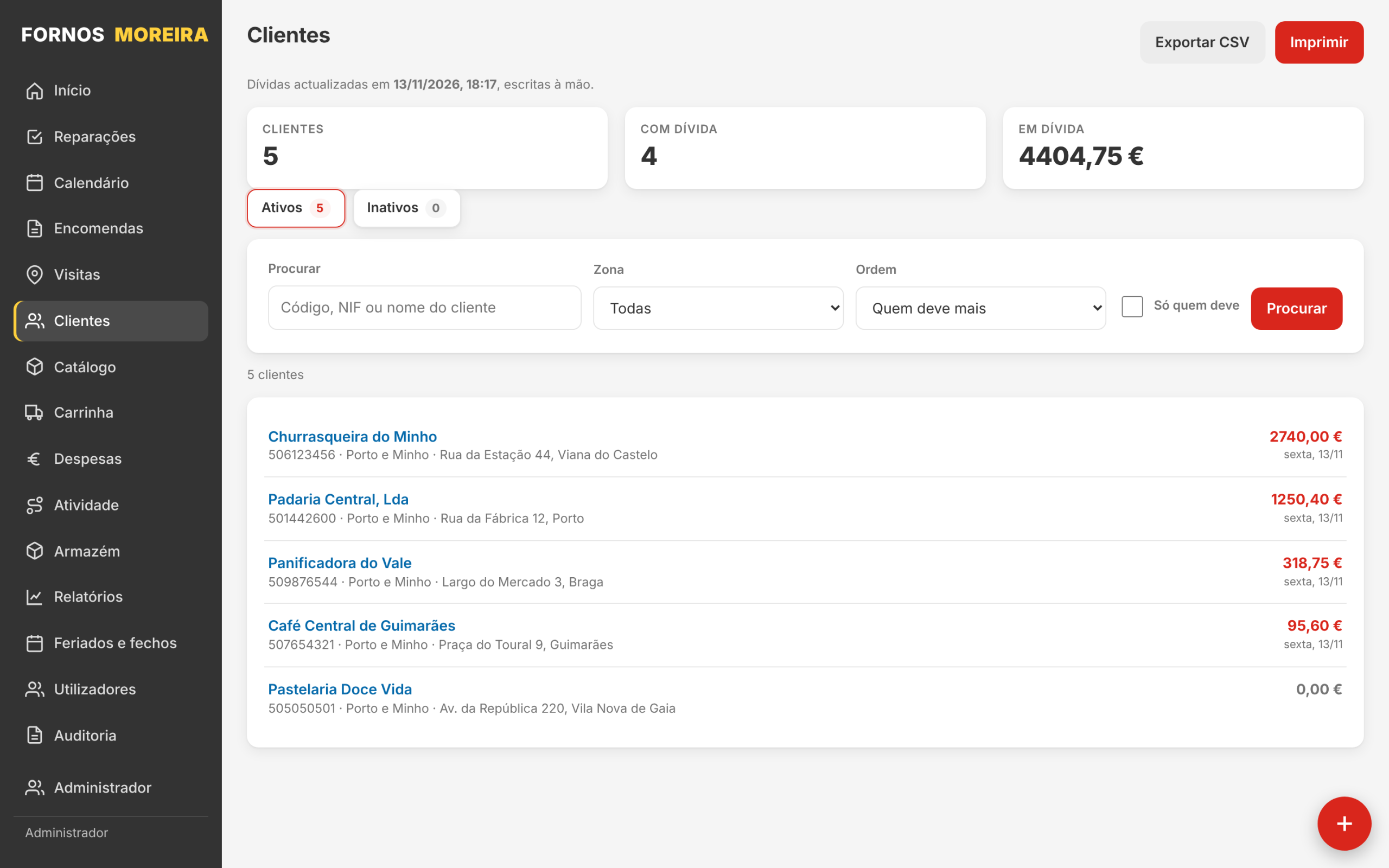
The new platform allows sales representatives to access customer information, prepare sales orders, schedule visits and record customer interactions.
Each representative can manage their customer portfolio, review previous activity and organise upcoming appointments.
Because the company already had invoicing software, the platform was designed to use its existing customer, product and pricing information.
This avoids entering the same information twice and helps maintain consistency across the business.
The result is a more connected commercial workflow without having to abandon familiar tools.
Expenses and Documents Without Unnecessary Paperwork
Expense management was also integrated into the platform.
Employees can record an expense directly from their smartphones, photograph the receipt and assign it to the appropriate category.
The system can also read information from the QR codes used on Portuguese invoices, reducing the amount of data that needs to be entered manually.
All this information becomes available for consultation and analysis, allowing management to monitor costs over time.
Another particularly useful feature is the ability to send documents to the office printer, even when an employee is working at a customer's premises.
A task that might previously have required returning to the office can now be completed remotely, directly from a smartphone.
Technology That Works for People
One of my main priorities throughout this project was respecting the way the company already operated.
Fornos Moreira didn't need to replace its invoicing software, time clock or existing equipment.
Instead, I developed ways for the new platform to access the necessary information from those systems while keeping the original records unchanged.
Everything was designed to operate securely, without requiring complicated changes to the company's internal network.
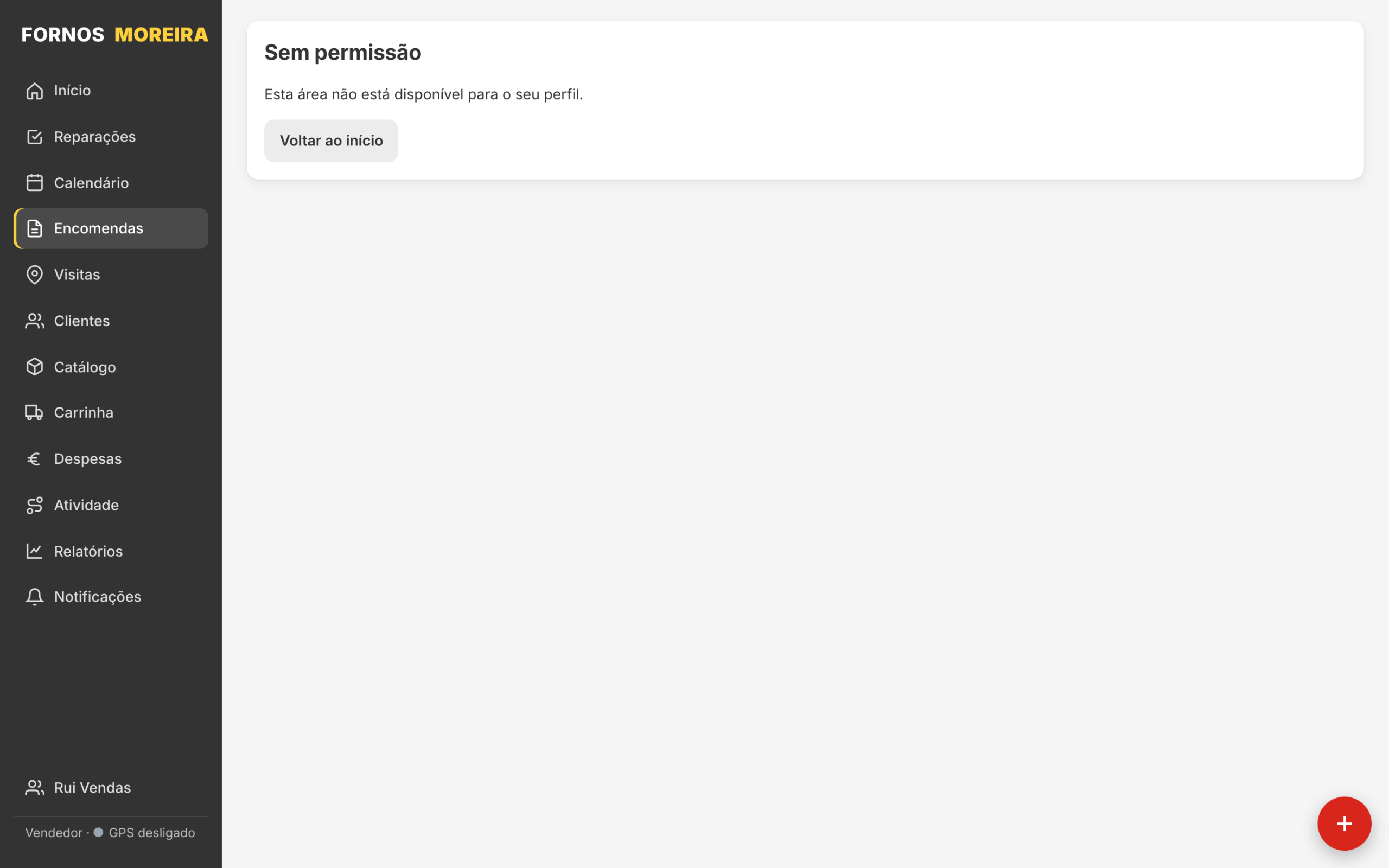
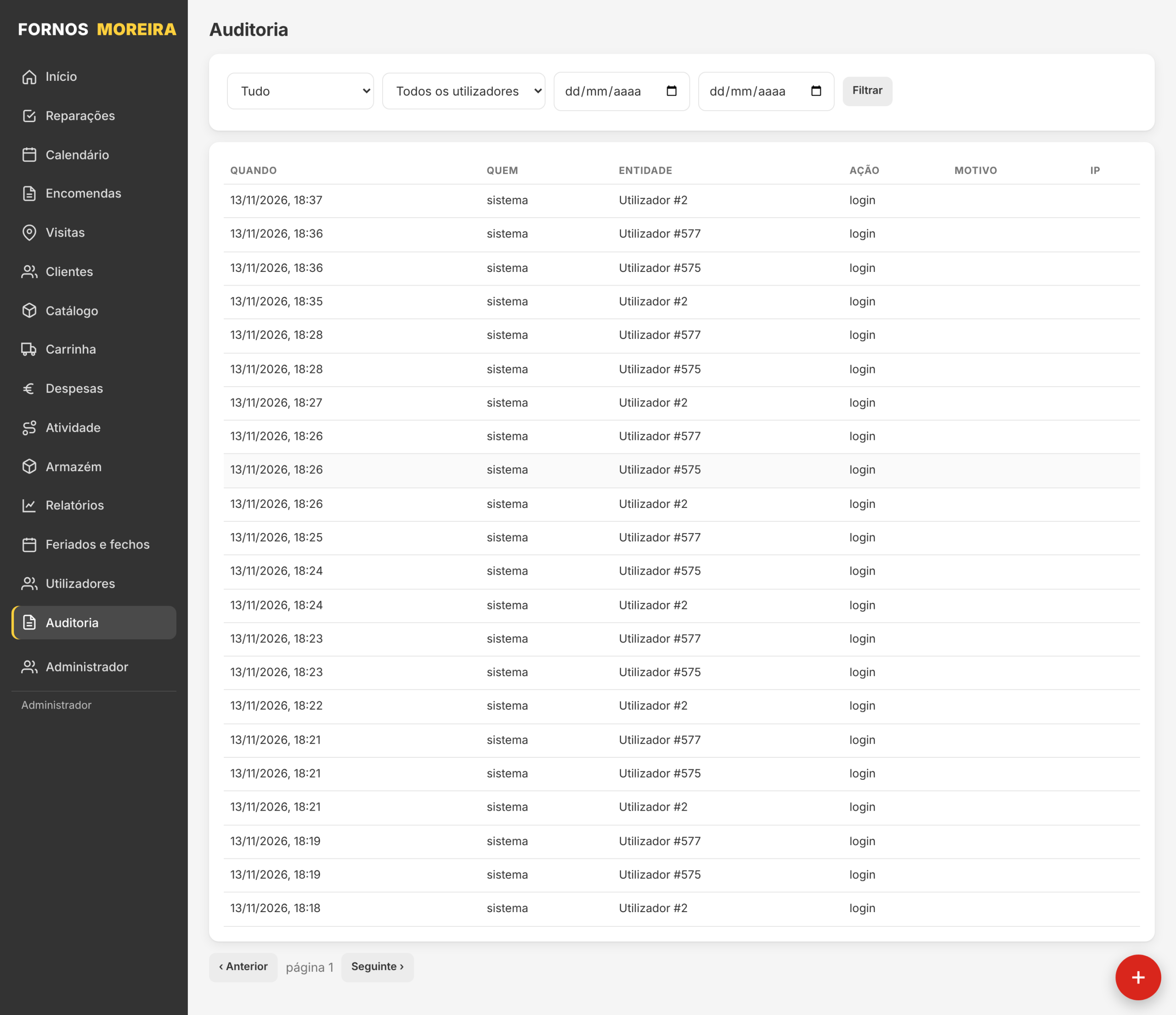
Each employee also has access permissions suited to their responsibilities, ensuring they can only view or modify the information relevant to their role.
The objective was never to introduce more complexity.
It was to use technology to remove unnecessary complications.
A Clearer View of the Business
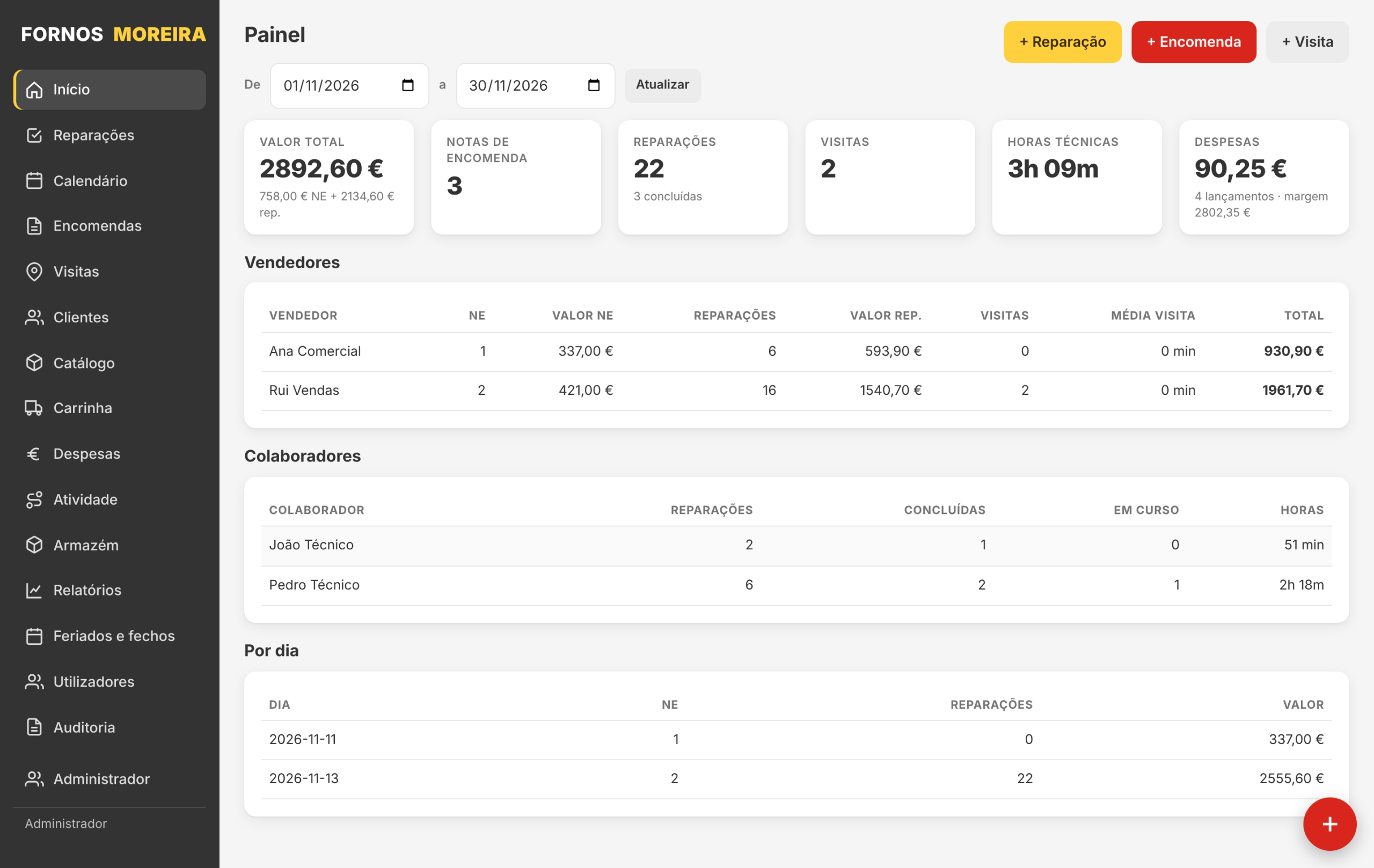
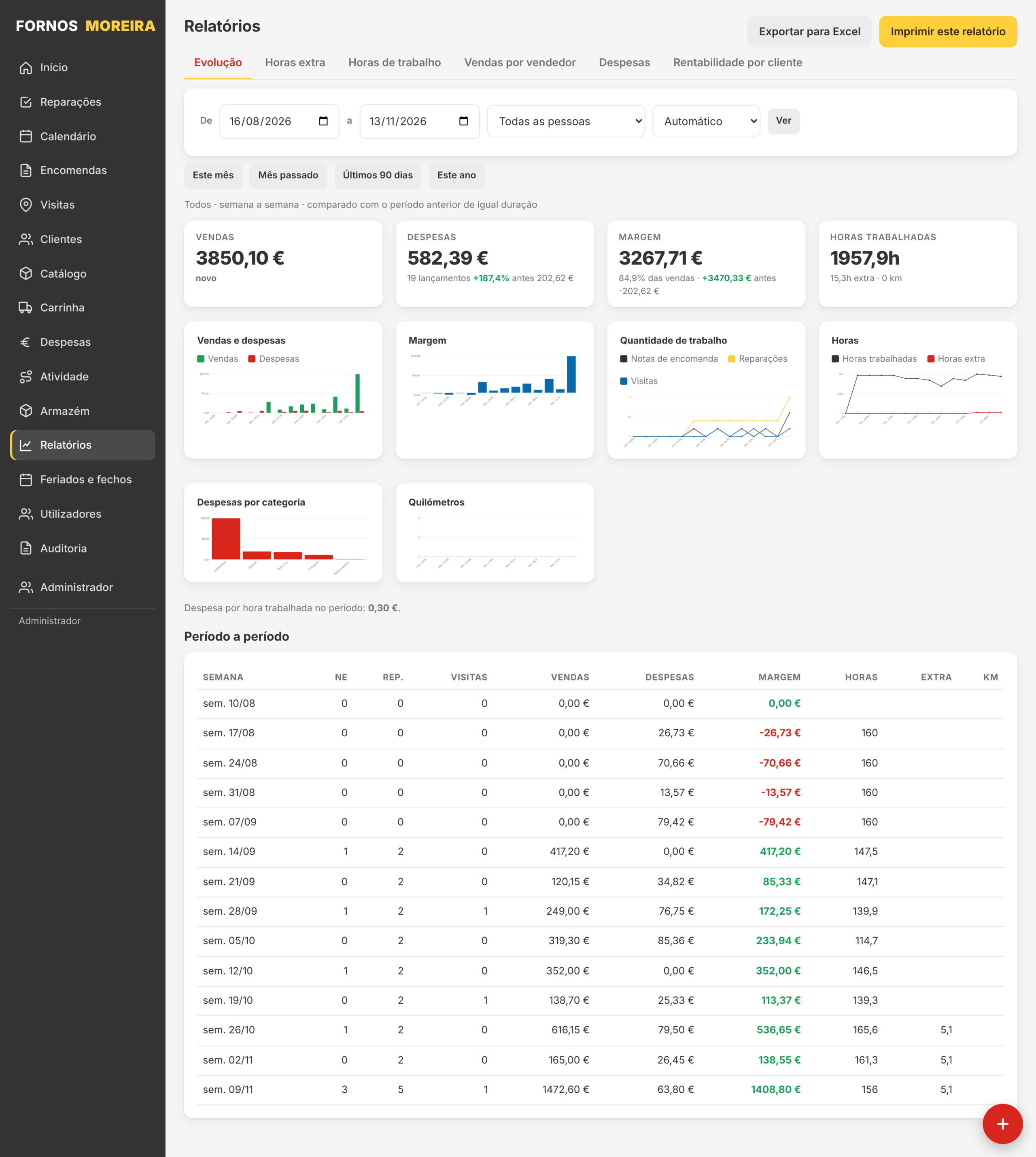
With information brought together in one platform, management now has a more complete overview of the company's activities.
Dashboards and reports make it possible to monitor repairs, sales, expenses, working hours, overtime and other relevant business indicators.
Data can also be exported to Excel, making administrative work and business analysis easier.
Having everything organised in one place simplifies the identification of pending tasks, access to service histories and monitoring of business performance.
Instead of manually gathering information from several systems at the end of each month, the team has access to structured data throughout the entire process.
The Results: Less Repetitive Work, Better Organisation
The platform is currently in production and continues to evolve according to the needs of Fornos Moreira.
Some of the most significant improvements include centralised information, better preparation of materials, simpler working time management and improved communication between office staff and field technicians.
Technical interventions are now organised into individual service records, expenses can be recorded as they occur, and reports are accessible without having to collect information from multiple applications.
Integration with the company's existing systems also made it possible to retain tools that were already part of its daily operations.
Although no formal before-and-after study was carried out to measure time or cost savings, the improvements to the workflows are tangible, removing several previously necessary manual tasks.
More Than Developing Software, Solving Problems
This project is a good example of how I approach software development.
I don't believe the best solution is necessarily the most complex one, or the one built using the greatest number of technologies.
I believe the best solution is the one that solves a real problem, makes work easier and adapts to the people who use it.
At Fornos Moreira, the challenge was to understand how the company operated, identify the difficulties affecting its daily activities and develop a platform capable of connecting different departments within a single system.
From on-site repairs to administrative management, every feature was designed to address a specific business need.
The result is a custom-built management platform that supports the company's operations and can continue to grow alongside the business.
Because technology should make work easier, not more complicated.